 Education Danik
मंगलबार, चैत ३, २०८२
Education Danik
मंगलबार, चैत ३, २०८२
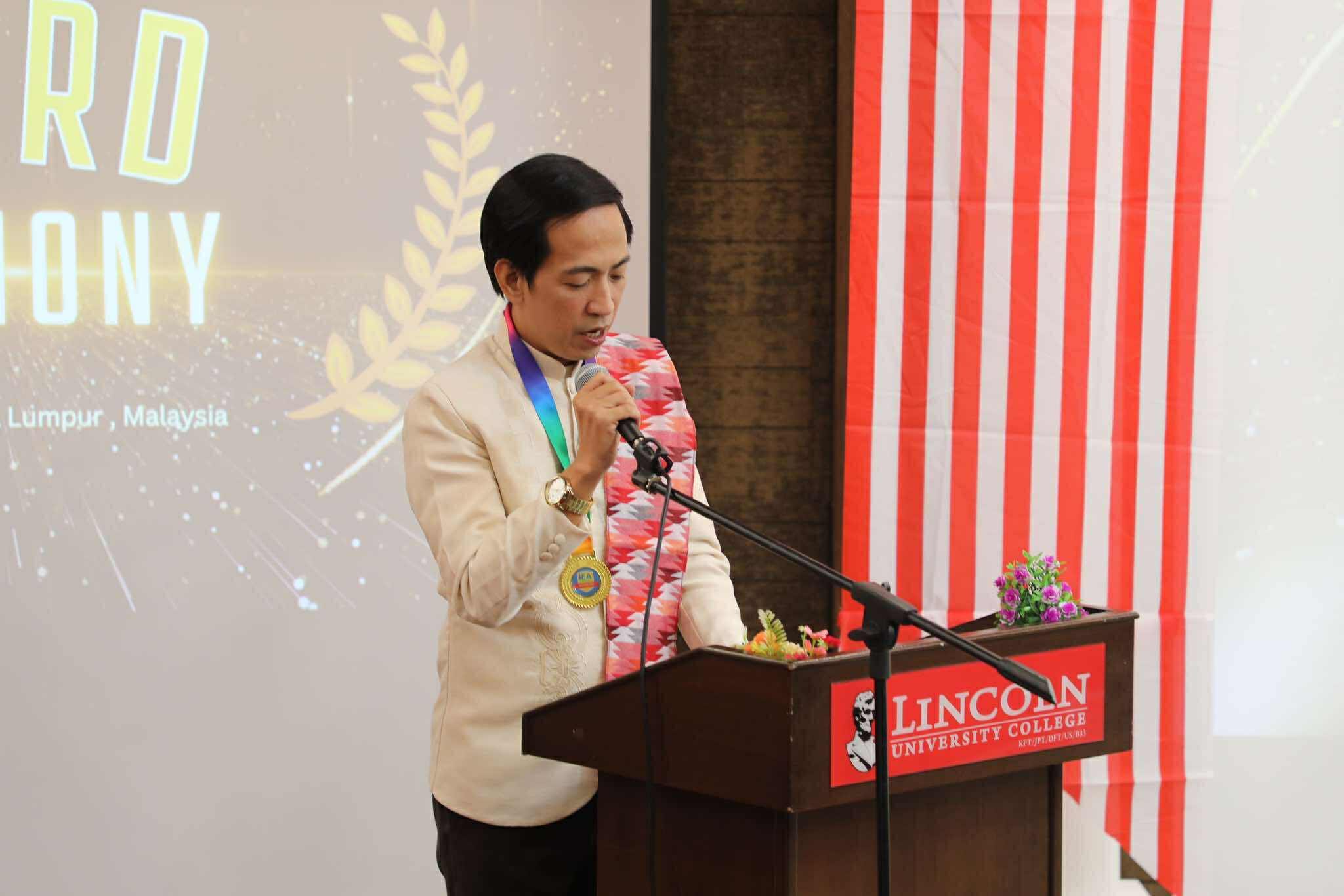
A special conversation with Dr. Arthur Amora Cruzada, Founder and CEO of Le Premier Language International Inc., on language learning, global education, leadership, and student transformation.
In today’s world, language is no longer just a subject to study. It is a gateway to education, career growth, international mobility, cultural understanding, and personal confidence. As global opportunities continue to expand, language proficiency has become an essential advantage for students and professionals alike. In this context, we spoke with Dr. Arthur Amora Cruzada, Founder and CEO of Le Premier Language International Inc., about the vision behind his institution, the power of language education, and the future of globally minded learning.
What inspired you to establish Le Premier Language International Inc.?
When I started this journey, I had one clear belief: language education should not be limited to classroom instruction alone. It should become a bridge that connects people to opportunity, confidence, and growth. Many students and professionals have talent and ambition, but language often becomes the barrier that keeps them from reaching the next level. I wanted to create an institution that would help people overcome that barrier and move closer to their dreams. That is how Le Premier Language began.
Why do you believe language education is so important today?
Language is one of the most powerful tools a person can have. It allows us to communicate clearly, build relationships, understand other cultures, and access opportunities that would otherwise remain out of reach. In today’s world, knowing another language is not just an academic advantage. It is a life advantage. It can help a student pursue international education, help a professional become more competitive, and help an individual grow into a more confident global citizen.
Le Premier Language has grown steadily over the years. How do you view that journey?
Growth is meaningful only when it is built on trust, quality, and purpose. For me, expansion has never been just about opening more branches. It has been about reaching more learners and serving them better. Every step of growth brings greater responsibility. As the institution expands, we must become even more intentional about maintaining standards, strengthening our teaching culture, and ensuring that every learner experiences genuine value.
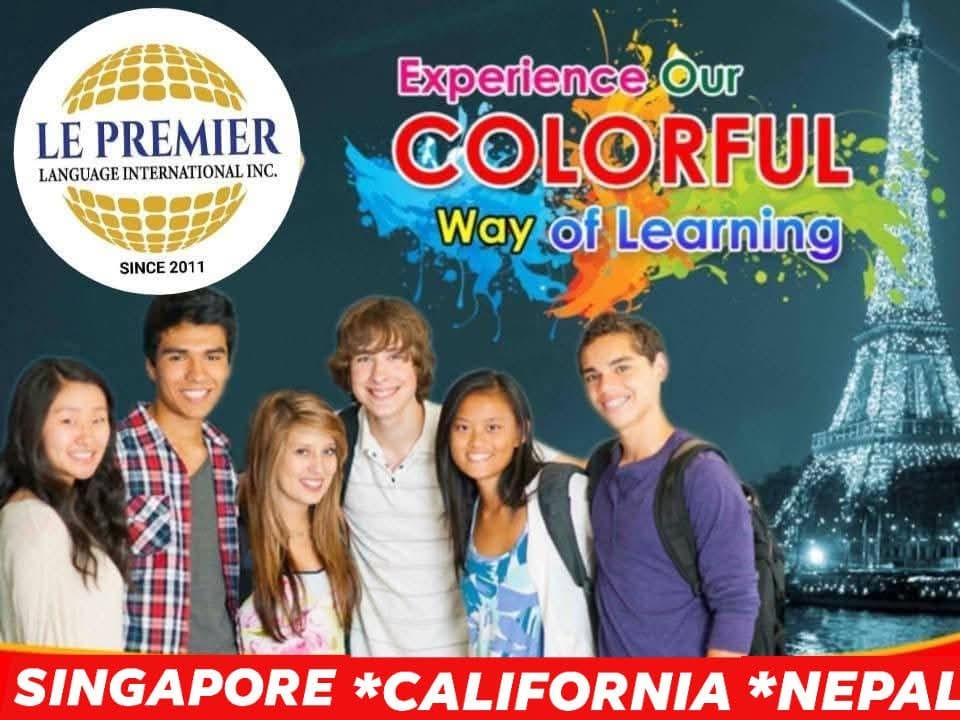
What makes Le Premier Language different from other language institutions?
I believe the difference lies in how we see the learner. We do not see students as mere enrollees. We see them as individuals with goals, fears, potential, and future aspirations. Language learning is deeply personal. Many learners struggle not because they lack ability, but because they lack confidence. That is why the environment matters. A good language institution should not only teach grammar and vocabulary; it should also create an atmosphere where learners feel encouraged, supported, and empowered to grow.
You hold a Ph.D. in Psychology. How has that influenced your leadership and educational philosophy?
Psychology has helped me understand that learning is not one-dimensional. Every student is different. Each person has a unique way of processing information, building confidence, and responding to challenges. This understanding has shaped both my teaching philosophy and my leadership style. Education is not only about delivering content. It is about understanding people, motivating them, and helping them unlock their potential. In leadership, the same principle applies. Institutions are built not only by systems, but by people.
You have also spent many years teaching. How do you balance being an educator and an executive?
For me, the identity of being an educator always comes first. Even when I am making executive decisions, I still think from the perspective of a teacher. A school or institution can grow in size, visibility, or reach, but if it loses sight of the learner, it loses its true purpose. My years in teaching have kept me grounded. They remind me that at the heart of every policy, every program, and every expansion plan should be the student.
Why is learning a foreign language becoming more essential for young people today?
Young people today are entering a world that is far more connected than ever before. Education, employment, travel, business, and digital communication increasingly operate across borders. In that environment, language becomes more than a skill. It becomes access. It opens doors to new academic systems, international workplaces, and diverse communities. A young person who invests in language learning is also investing in a broader future.

What are the biggest challenges students face when learning a new language?
One of the biggest challenges is fear. Many learners are afraid of making mistakes, mispronouncing words, or being judged. In reality, that fear often slows progress more than difficulty itself. Another challenge is consistency. Language learning requires patience, repetition, practice, and exposure. It is not something mastered in a single moment. Those who stay disciplined, remain open to correction, and keep practicing tend to make the strongest progress over time.
In your view, what qualities define a strong language institution?
A strong language institution must have a clear purpose, capable teachers, a supportive environment, and a genuine commitment to student development. It should not be focused only on enrollment numbers. It should be focused on outcomes. Are students improving? Are they becoming more confident? Are they being prepared for real-world communication and opportunity? Those are the questions that matter most.
How do international branches and partnerships strengthen language education?
International reach broadens perspective. It helps an institution understand how language education connects to real-world mobility, cross-cultural learning, and global opportunity. It also allows students to see language not as an isolated classroom subject, but as something living and practical. International partnerships can strengthen exposure, credibility, and relevance. They help learners understand that language can truly connect them to a wider world.
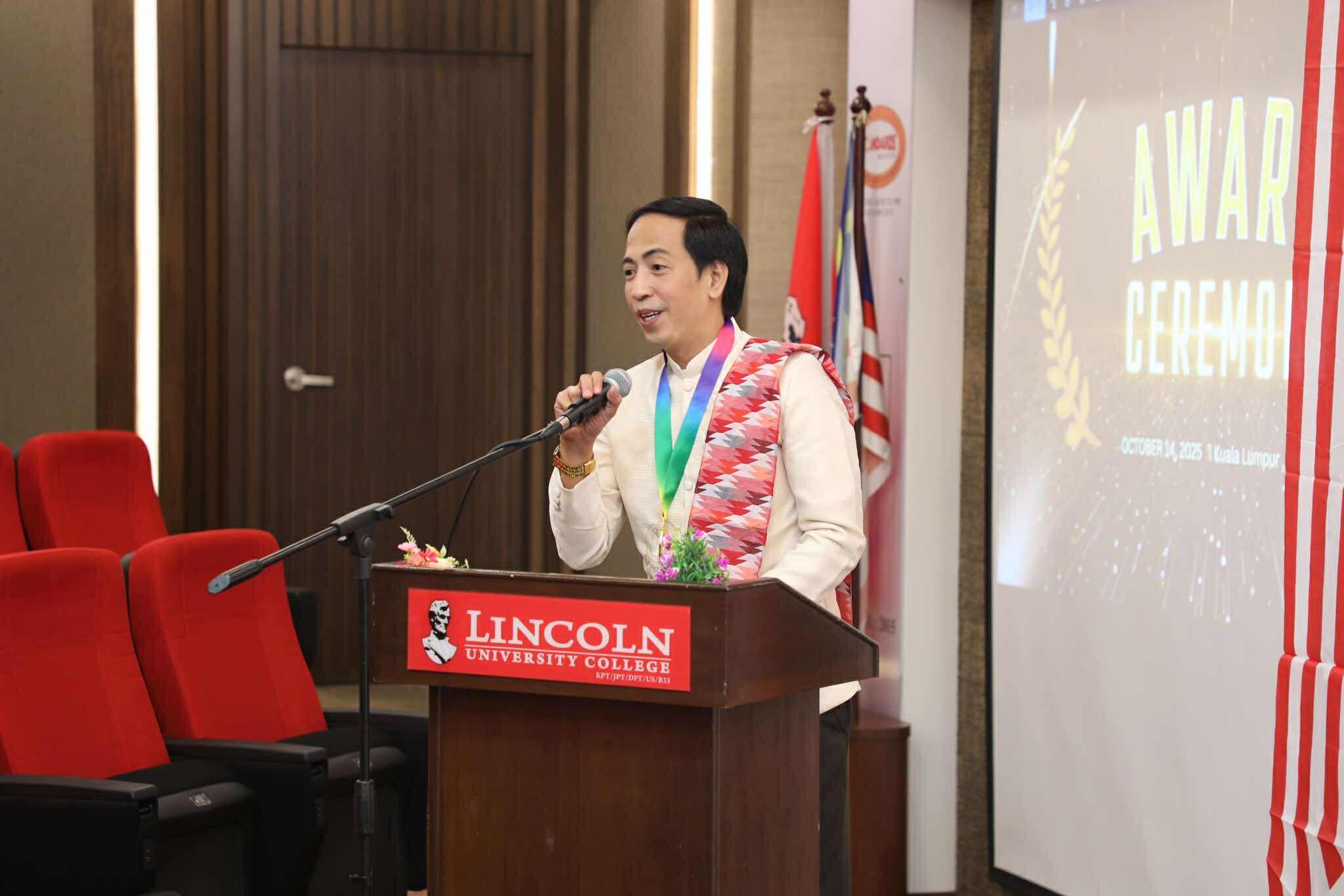
What message would you like to share with students and young professionals?
Do not underestimate what language learning can do for your life. It is not just about speaking another tongue. It is about becoming more confident, more capable, and more prepared for the future. Be patient with yourself. Growth takes time. Mistakes are part of the journey. If you stay disciplined, open-minded, and committed, the results will come. Every new word you learn can become part of a bigger opportunity ahead.
Finally, how do you see the future of Le Premier Language International Inc.?
I see a future rooted in meaningful impact. My goal is not simply to make the institution bigger, but to make it more valuable, more transformative, and more globally relevant. I want Le Premier Language to continue empowering learners through quality education, human-centered guidance, and international vision. If we can help people grow in confidence, competence, and opportunity, then we are fulfilling our purpose.